Author
Books & Publications
Mark Fallon has authored, edited, and contributed to works that have shaped the national conversation on interrogation, ethics, and national security.
Featured Book
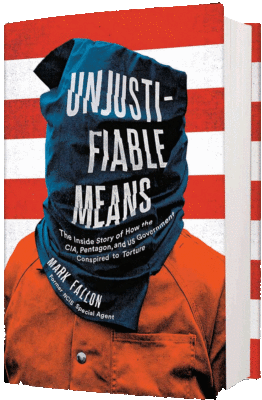
Unjustifiable Means
By Mark Fallon · Published October 24, 2017
A hard-hitting, raw, and explosive account of how America lost its way and conspired to torture. Drawing on his 27 years as an NCIS Special Agent and his role in the Criminal Investigation Task Force, Fallon reveals the inside story of America's post-9/11 interrogation program.
"Hard-hitting, raw, explosive" — a must-read for anyone seeking to understand the intersection of national security, ethics, and the rule of law.
View on Amazon →Other Books & Edited Volumes
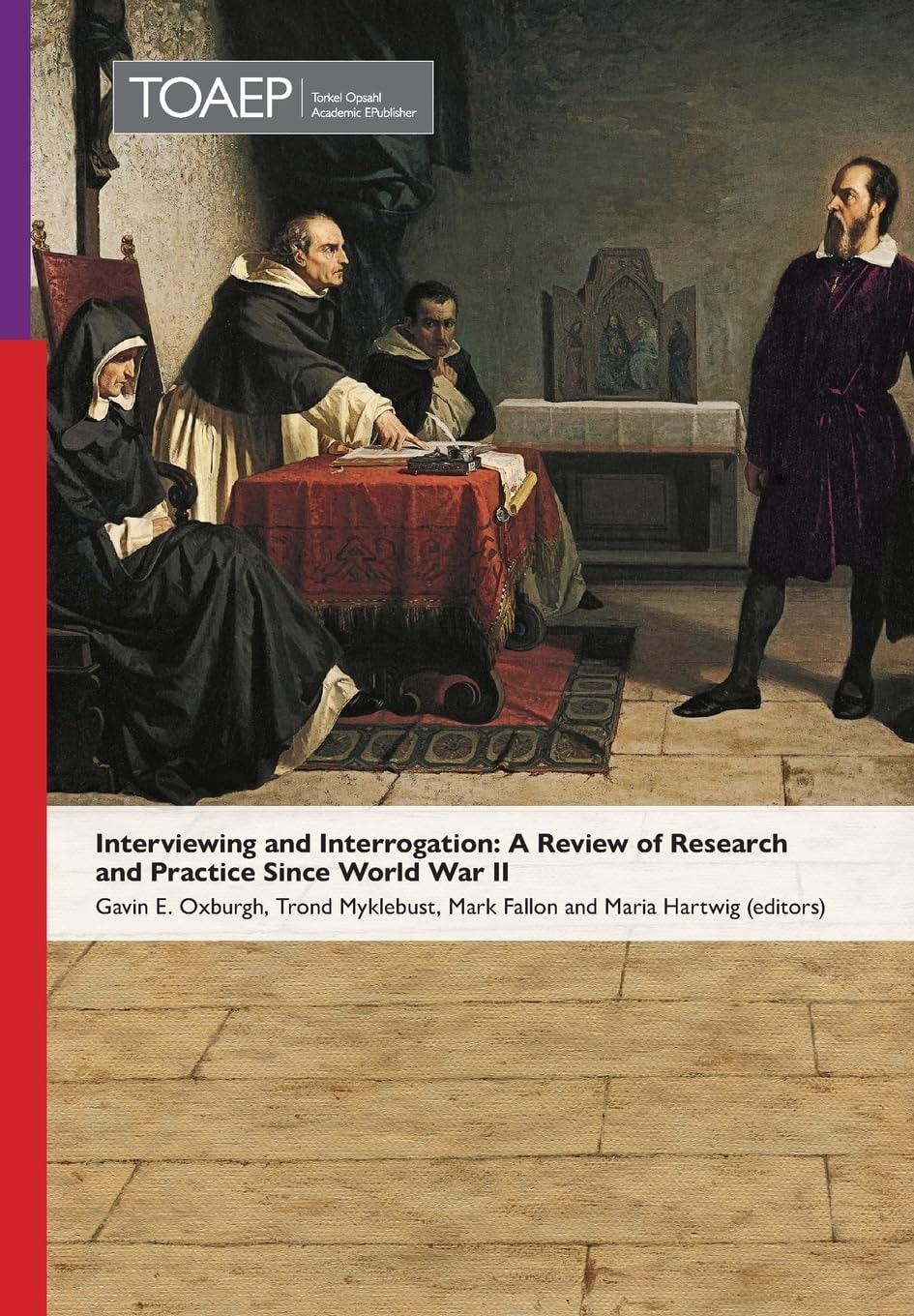
Interviewing and Interrogation: A Review of Research and Practice Since World War II
Co-edited by Gavin E. Oxburgh, Trond Myklebust, Mark Fallon and Maria Hartwig, this volume brings together 52 experts in 24 chapters. Torkel Opsahl Academic EPublisher, 2023. It traces the methods of interviewing and interrogation developed since World War II, explaining when and why each was introduced and how well it has worked across different countries and legal systems. Written for police, investigators, prosecutors and intelligence professionals who want to stay current on non-coercive methods of gathering information. A free open-access edition — the full volume or individual chapters — can be downloaded at no cost from the Centre for International Law Research and Policy (CILRAP).
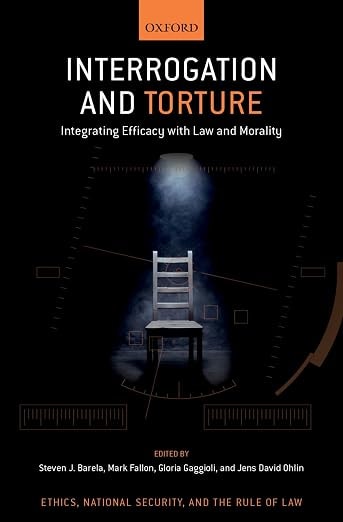
Interrogation and Torture: Integrating Efficacy with Law and Morality
Co-edited with Steven J. Barela, Gloria Gaggioli and Jens David Ohlin. Oxford University Press, 2020. Starting from the scientific finding that torture doesn't work, this book asks which methods do and how they can be used within legal and ethical limits. It brings together experienced practitioners and leading scholars in law, philosophy, psychology, neuroscience and national security. The foreword is by UN Special Rapporteur on Torture Nils Melzer; the afterword is by former Navy General Counsel Alberto Mora. Mark co-wrote Chapter 4, "The HIG Project: The Road to Scientific Research on Interrogation," with Susan E. Brandon.
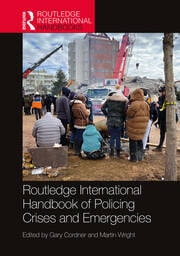
Routledge International Handbook of Policing Crises and Emergencies
Mark and Maria Hartwig wrote the chapter "The System Is Blinking Red: Lessons Learned from Policing in the Aftermath of Terrorist Attacks." Routledge, 2024. Drawing on the USS Cole and 9/11 investigations, it looks at how fear-driven decisions made in a crisis can have unintended consequences, including the government's turn to torture. The handbook, edited by Gary Cordner and Martin Wright, gathers police leaders and scholars on handling disasters, terrorism and other emergencies.
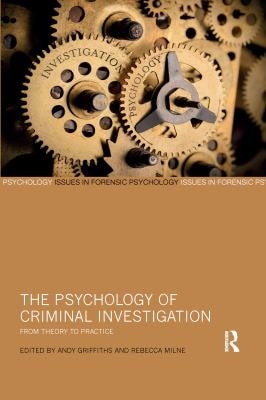
The Psychology of Criminal Investigation: From Theory to Practice
Mark co-wrote Chapter 9, 'Detecting Deceit via Verbal Cues: Towards a Context Sensitive Research Agenda,' with Pär Anders Granhag, Zarah Vernham and Eric Mac Giolla. Routledge, 2018. The book, edited by Andy Griffiths and Rebecca Milne, brings researchers and practitioners together on how psychology applies to investigative decisions, interviewing suspects, detecting deception and police training.
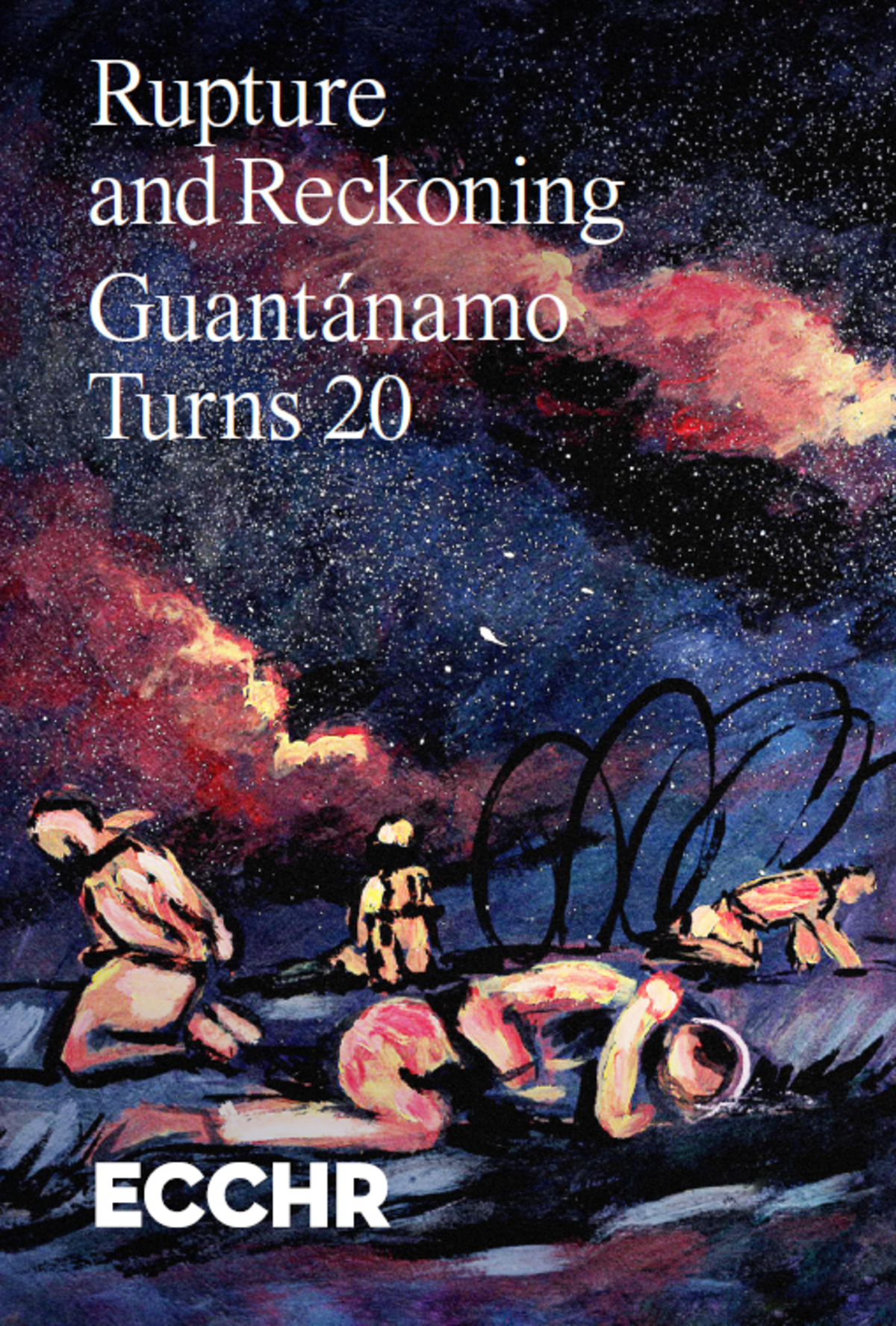
Rupture and Reckoning: Guantánamo Turns 20
In this first-person essay, Mark goes back to October 28, 2002, when he met MajGen Geoffrey Miller as the Criminal Investigation Task Force's chief investigator — the moment he realized torture was about to become official U.S. military policy at Guantánamo. He traces how SERE-derived techniques moved from CIA black sites to the military and on to Abu Ghraib, and explains why he documented the abuses for the record. Published with passages blacked out by government prepublication review, the essay argues that this moment ended the presumption of innocence under the rule of law and denied justice to the victims of 9/11 and the USS Cole. European Center for Constitutional and Human Rights (ECCHR), 2022.
Other Works & Contributions

Author
Can the U.S. Shed the "Learned Legal Helplessness" of Guantánamo's Courts?
Published in Newsweek, June 2026. Mark looks at why Guantánamo's military commissions are still trying to resolve the USS Cole and 9/11 cases decades after the attacks. He argues that coercion produced unreliable intelligence and tainted the legal proceedings that depend on it, and that the U.S. has to confront those past abuses before justice can be done.

Co-Author
The Manipulation of Minds: Reckoning with the Legacy of the American Post 9/11 Torture Program
Co-authored with Maria Hartwig. Published in Torture Journal, Vol. 32 No. 3 (2022). Mark and psychologist Maria Hartwig argue that the post-9/11 torture program rested on a lie: its designers knew all along that torture does not produce reliable information. Using the government's own research, they show how methods known to be unreliable were used at Guantánamo and CIA black sites, and how secrecy and propaganda hid the program's scope.

CERL Contributing Working Group Member
Beyond Guantánamo: Restoring the Rule of Law to the Law of War
Mark Fallon was the Interim Executive Director overseeing the development and production of the report. Published by the Center for Ethics and the Rule of Law (CERL), University of Pennsylvania, September 2022. More than 30 military, legal and ethics experts lay out a legal blueprint for closing the Guantánamo detention facility. The report recommends disbanding the military commissions, moving the remaining cases to federal courts or courts-martial, and closing the prison within 12 months.

Co-Author
The War Isn't Over but Ukraine Is Already Prosecuting Russian War Crimes
Published in The Washington Post, April 28, 2022. Mark, Elisa Massimino and Gregg Bloche describe how Ukraine began bringing war-crimes charges while the fighting was still going on, starting with test cases involving disappearances, torture and killings of civilians. They note that thousands more possible war crimes were already under investigation.

Author
State Secrets and the Blinding of Justice
Published in SpyTalk, March 24, 2022. Mark criticizes the Supreme Court's 2022 ruling in the Abu Zubaydah case, which accepted the government's state-secrets claim and kept the courts from learning what the CIA did to him. He calls it another black mark on American justice and argues the government should be held accountable, not shielded by secrecy.

Co-Author
The Méndez Principles: The Need to Update the Army Field Manual on Interrogation for the 21st Century
Co-authored with Susan Brandon. Published in Just Security, June 11, 2021. Mark and Susan Brandon, the first director of the High-Value Detainee Interrogation Group's research program, argue that the Army Field Manual on interrogation is out of date and that most of its techniques have never been scientifically tested. They urge the Defense Secretary to appoint an independent expert panel to revise the manual in line with current science, and they single out the "separation" technique in Appendix M as especially concerning.
Co-Author
The Méndez Principles: Leadership to Transform Interrogation via Science, Law, and Ethics
Co-authored with Steven J. Barela. Published in Just Security, June 1, 2021. Writing as the Méndez Principles launched, Mark and Steven J. Barela explain how the new global standards for non-coercive interviewing bring science, law and ethics together. They argue that research showing rapport and trust work better than abuse strengthens the legal and moral case against torture.

Steering Committee of Experts Member
Méndez Principles on Effective Interviewing
Mark Fallon was on the Steering Committee of Experts overseeing the development of the Principles and production of the report, May 2021. The result of a four-year process led by an international steering committee of experts, the Principles give governments a science-based alternative to coercive interrogation. They replace confession-driven tactics with rapport-based interviewing that produces more reliable information and respects human rights.

Featured Subject
Guantánamo Voices: True Accounts from the World's Most Infamous Prison
A graphic novel edited by Sarah Mirk, with Chapter 2 featuring Mark Fallon, illustrated by Gerardo Alba. Published 2020. In this illustrated oral history, artists tell the stories of people whose lives were shaped by Guantánamo, from former detainees to lawyers and investigators. Mark's chapter is one of the longest in the book, which was named one of The New York Times' best graphic novels of 2020 and won the 2021 Lynd Ward Graphic Novel Prize.

Co-Author
State-Sponsored Bullshit, and Why Truth Matters
Co-authored with Maria Hartwig. Published in Psychology Today, October 2020. Mark and deception researcher Maria Hartwig draw on philosopher Harry Frankfurt's On Bullshit to show how official disregard for the truth can do more damage than lying. They argue that in a "post-truth" political climate, truth still matters to a free society.
Author
Let's Never Forget to Honor the US Constitution
Published by the CERL Rule of Law Post, University of Pennsylvania, September 17, 2020. Written for Constitution Day, days after the 19th anniversary of 9/11, this piece argues that "Never Forget" should also apply to the Constitution the government betrayed when it turned to torture. Mark traces the lasting costs, from torture defenders rewarded with government posts to 9/11 prosecutions undermined by torture.
Author
The Report Won't Let Us Forget That 'Enhanced' Interrogation Was Torture
Published by the CERL Rule of Law Post, University of Pennsylvania, February 3, 2020. Mark reflects on The Report, the 2019 film about Senate staffer Daniel Jones's investigation of the CIA's torture program. He explains why it matters that the film keeps Americans from forgetting that "enhanced interrogation" was torture.

Author
Untruths and Consequences
Published in Police Chief Magazine, May 2020. Writing as Chair of the IACP's IMPACT Section, Mark challenges the common belief, often repeated in police training, that innocent people don't confess to crimes they didn't commit. He shows how anecdotal "war stories" have stood in for evidence in interrogation training.
Author
New Spy Museum's Torture Exhibit Glosses Over Depravity
Published in Just Security, October 8, 2019. Mark argues that the International Spy Museum's new torture exhibit repeats CIA talking points: it gives a platform to program defenders Jose Rodriguez and James Mitchell and leaves out the Senate Intelligence Committee's findings. He urged the museum to present the Senate report and the laws banning torture, and after criticism from senators and experts the museum announced major changes to the exhibit.
Author
How Will History Judge the Military Commissions?
Published by the CERL Rule of Law Post, University of Pennsylvania, July 29, 2019. Ahead of a key ruling in the case of former CIA detainee Majid Khan, Mark argues that the judge should acknowledge the torture Khan suffered at CIA black sites and reduce his sentence to account for it. He presents the decision as a test of whether the U.S. treats such abuse as a crime that demands redress.

Author
The Government Had to Approve This Op-Ed
Published in The New York Times, April 2, 2019. Mark argues that the government's prepublication review of writing by former federal employees violates the First Amendment. He describes how his own book on torture was held for 233 days and came back with cuts to material that was already public.

Author
How Terrorist Threats Made the U.S. as Brutal as Its Enemies
Published in Newsweek, November 1, 2017. In this first-person account, Mark describes watching amateurs build America's interrogation program at Guantánamo with techniques borrowed from Chinese Communist interrogators, and then watching those methods spread to Abu Ghraib. He argues that the enemy's brutality made the U.S. brutal too, and warns that America may torture again.

Author
Time's up on Gitmo, Mr. President: To make good on his promise, Obama must veto the defense authorization bill
Published in the New York Daily News, October 14, 2015. Mark urged President Obama to veto the 2016 defense authorization bill, whose Guantánamo restrictions made closing the prison all but impossible. Obama vetoed it nine days later, on October 22, 2015. After a budget deal, he signed a revised version on November 25. It kept the ban on transferring detainees to the U.S. but also wrote the Army Field Manual's limits on interrogation into law, required regular reviews of the manual, and directed the High-Value Detainee Interrogation Group to report on science-based interrogation best practices. In his signing statement, Obama called the Guantánamo restrictions "unwarranted and counterproductive."

Co-Author
Using Science to Improve the Practice of Interviewing and Interrogation
Co-authored with Christian Meissner. Published in Police Chief Magazine, September 2015. Mark and psychologist Christian Meissner describe the research program of the federal High-Value Detainee Interrogation Group (HIG), which identifies and tests the most effective lawful interrogation methods. They explain how that science can improve interviewing practice across law enforcement.

Author
Surviving, Evading, Resisting and Escaping (SERE) Accountability
Published in HuffPost, July 22, 2015. Mark examines the SERE psychologists who brought military resistance-training techniques into detainee interrogations. They had little real interrogation experience and ignored warnings from experienced investigators, interrogators and psychologists. He notes that the Criminal Investigation Task Force's own psychologists opposed SERE tactics from the start, and argues that those who enabled torture have yet to be held accountable.
Author
Congress, Administration Must Renew Efforts to Close Guantanamo
Published in HuffPost, July 1, 2015. Mark calls on Congress and the administration to stop trading partisan blame and work together to close the prison at Guantánamo Bay. He argues that U.S. security and international standing both suffer as long as the facility remains open.
Author
Congress Should Act to Solidify Ban Against Torture
Published in HuffPost, May 11, 2015. Mark argues that the Senate torture report was a step forward but not the final word. He calls for an independent counsel to investigate alleged collaboration between the American Psychological Association and the CIA, and for legislation requiring every U.S. agency, the CIA included, to follow humane interrogation standards.

Author
Collaboration Between Practice and Science Will Enhance Interrogations
Published in Applied Cognitive Psychology, November 2014. Mark argues that the lack of evidence-based research on interrogation left a void that torture supporters filled with cherry-picked claims. He writes that new research can fill that gap and help train interrogators who know how to apply the science.

Author
Dick Cheney Was Lying About Torture
Published in Politico, December 8, 2014. Responding to Dick Cheney's defense of the CIA program after the Senate torture report, Mark argues that torture did not "work." Lawful, rapport-based interrogation is the most reliable way to gather intelligence, while torture produces bad information that sets investigations back.
Author
Interrogators Speak Out: Torture is Illegal, Immoral and Ineffective
Published in HuffPost, June 28, 2012. Mark argues that torture is illegal, immoral and ineffective, and that rapport-based, evidence-driven interrogation produces better intelligence. He rejects claims by Jose Rodriguez and others that "enhanced interrogation techniques" saved lives, and argues these methods produced unreliable information and fed al-Qaeda's propaganda.
For additional information see Mark Fallon's Wikipedia page or his Amazon Author page.
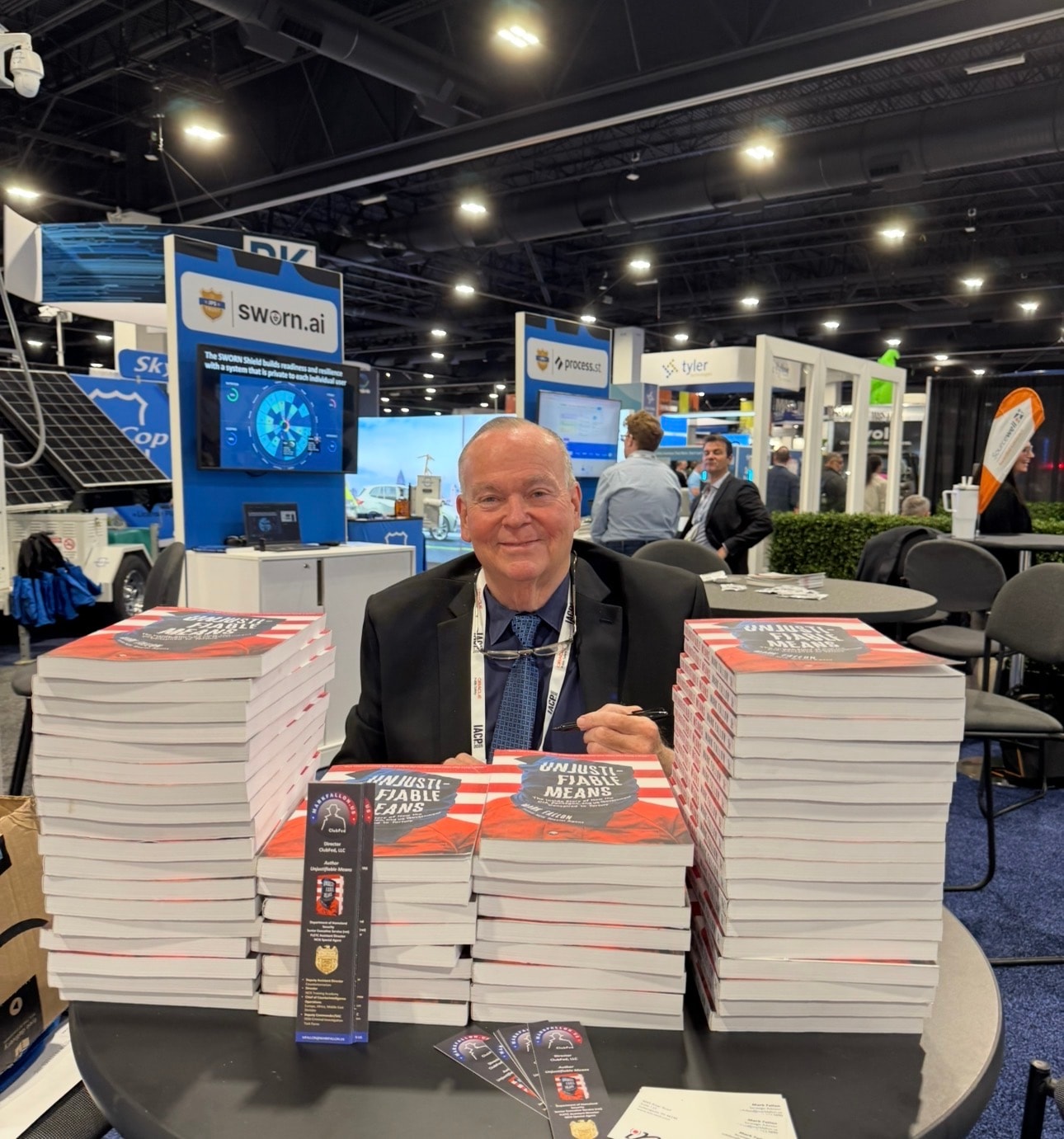
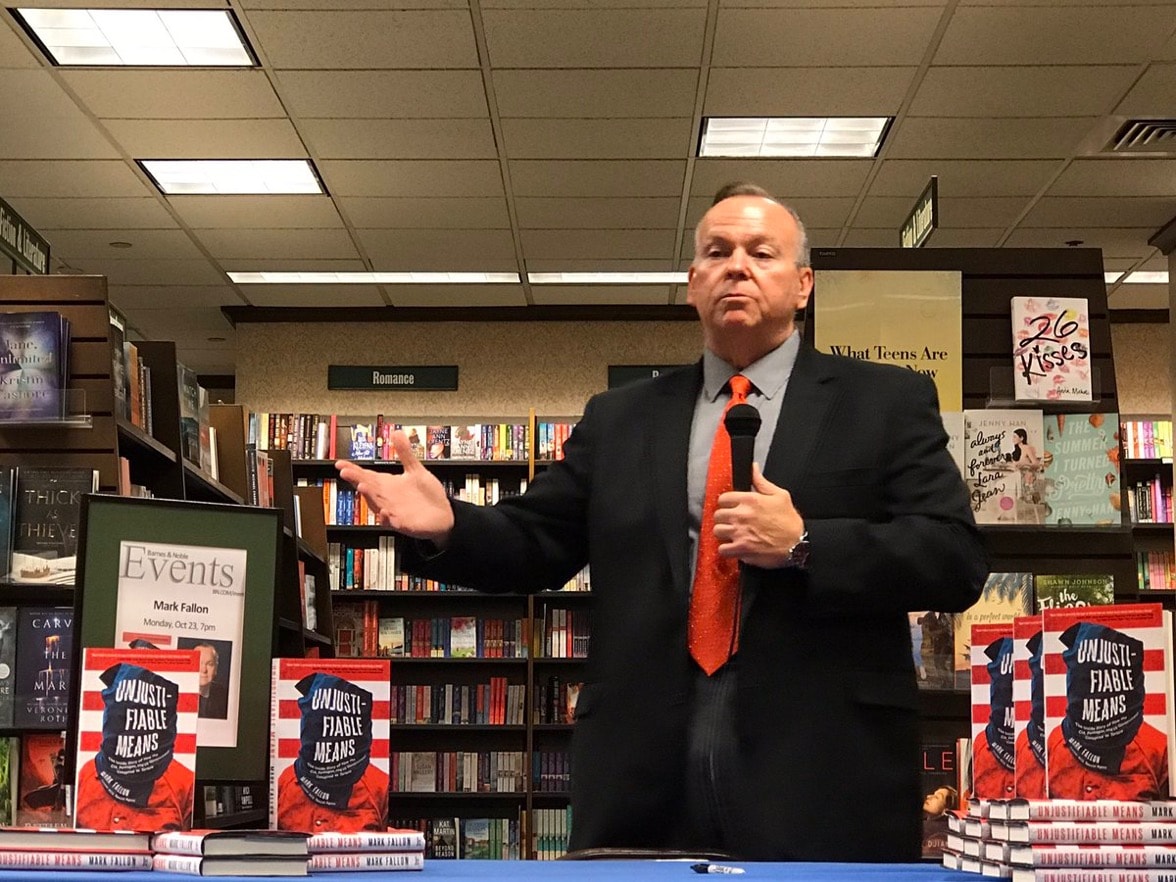
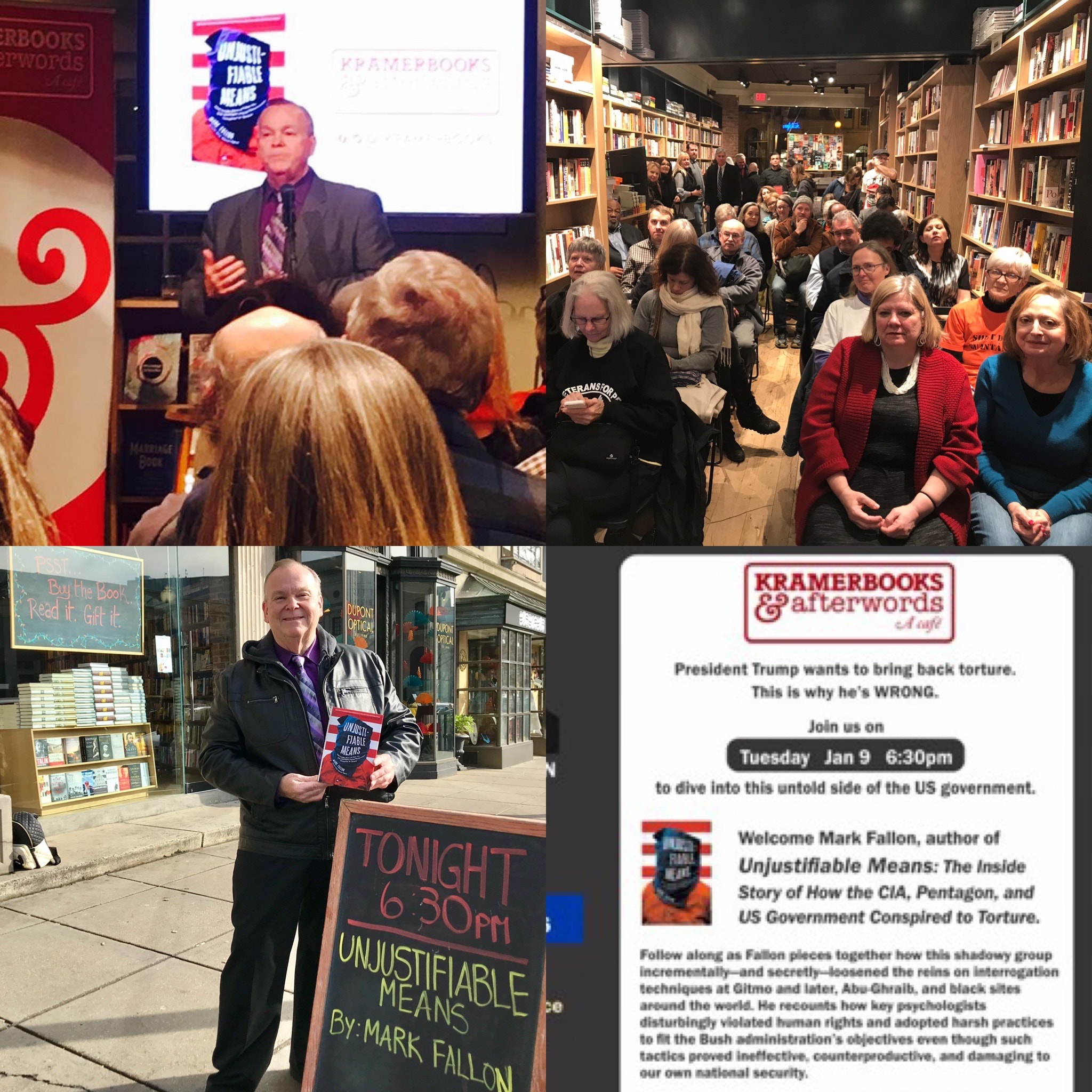
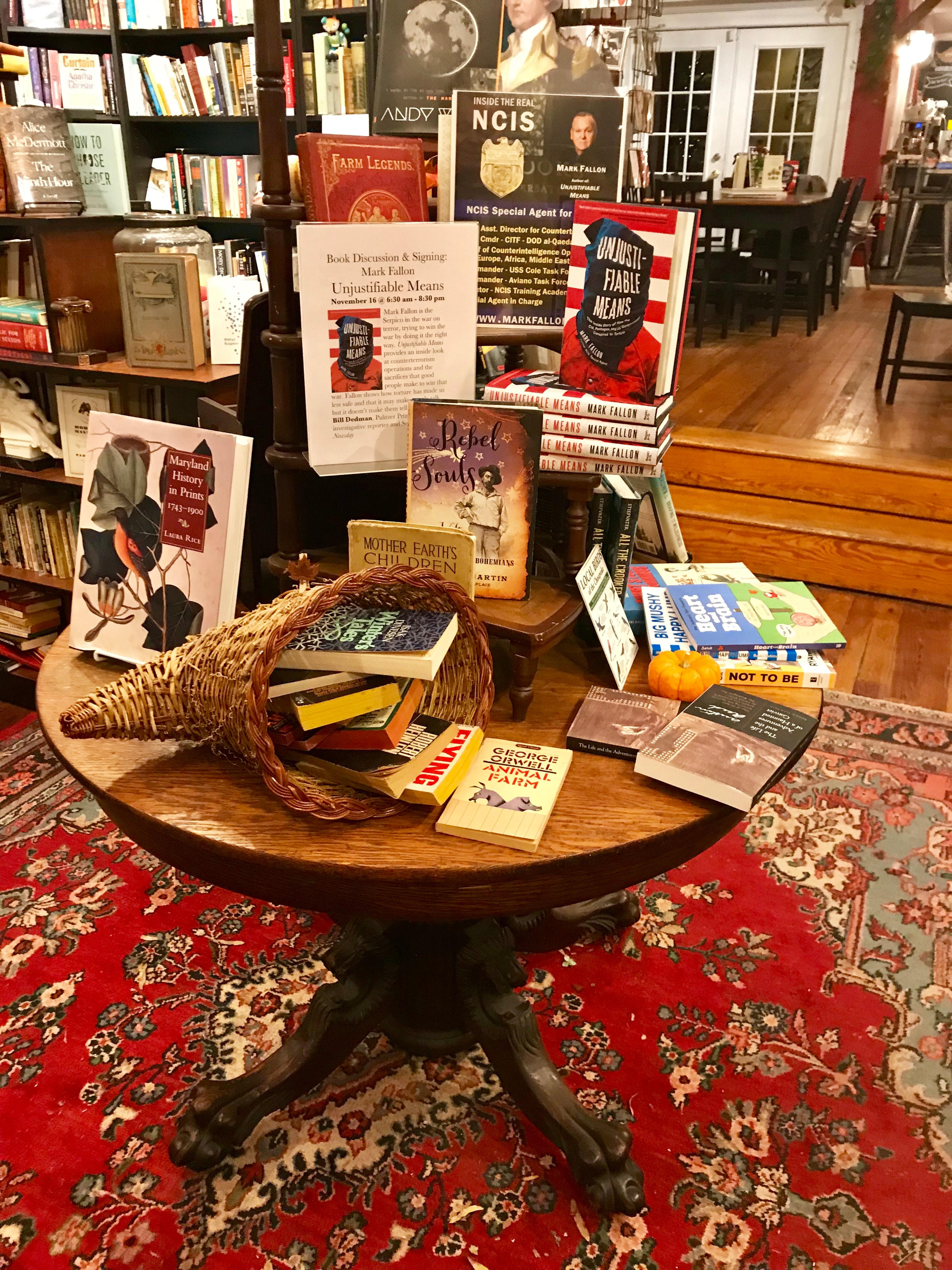
Book Signings & Events
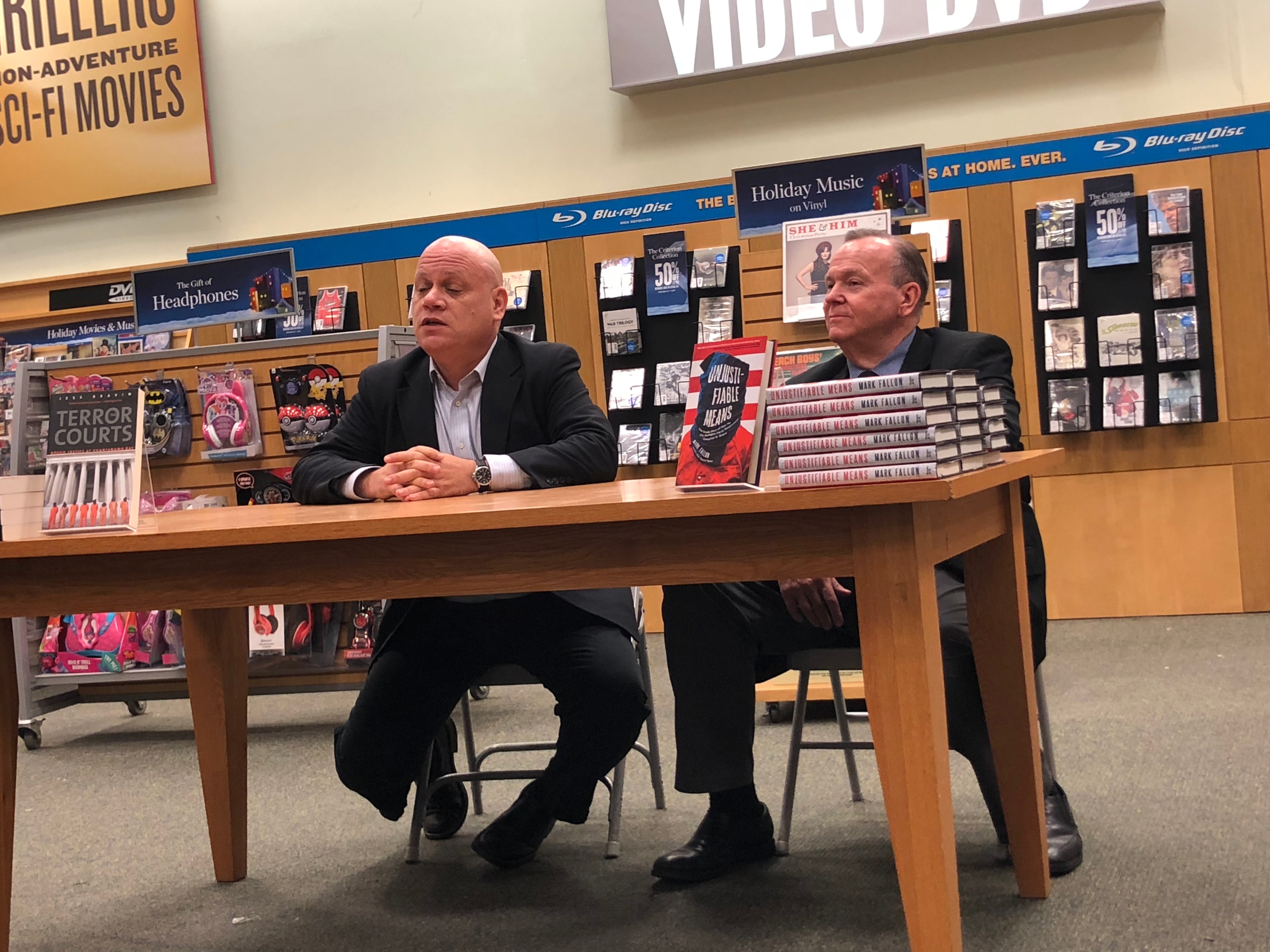
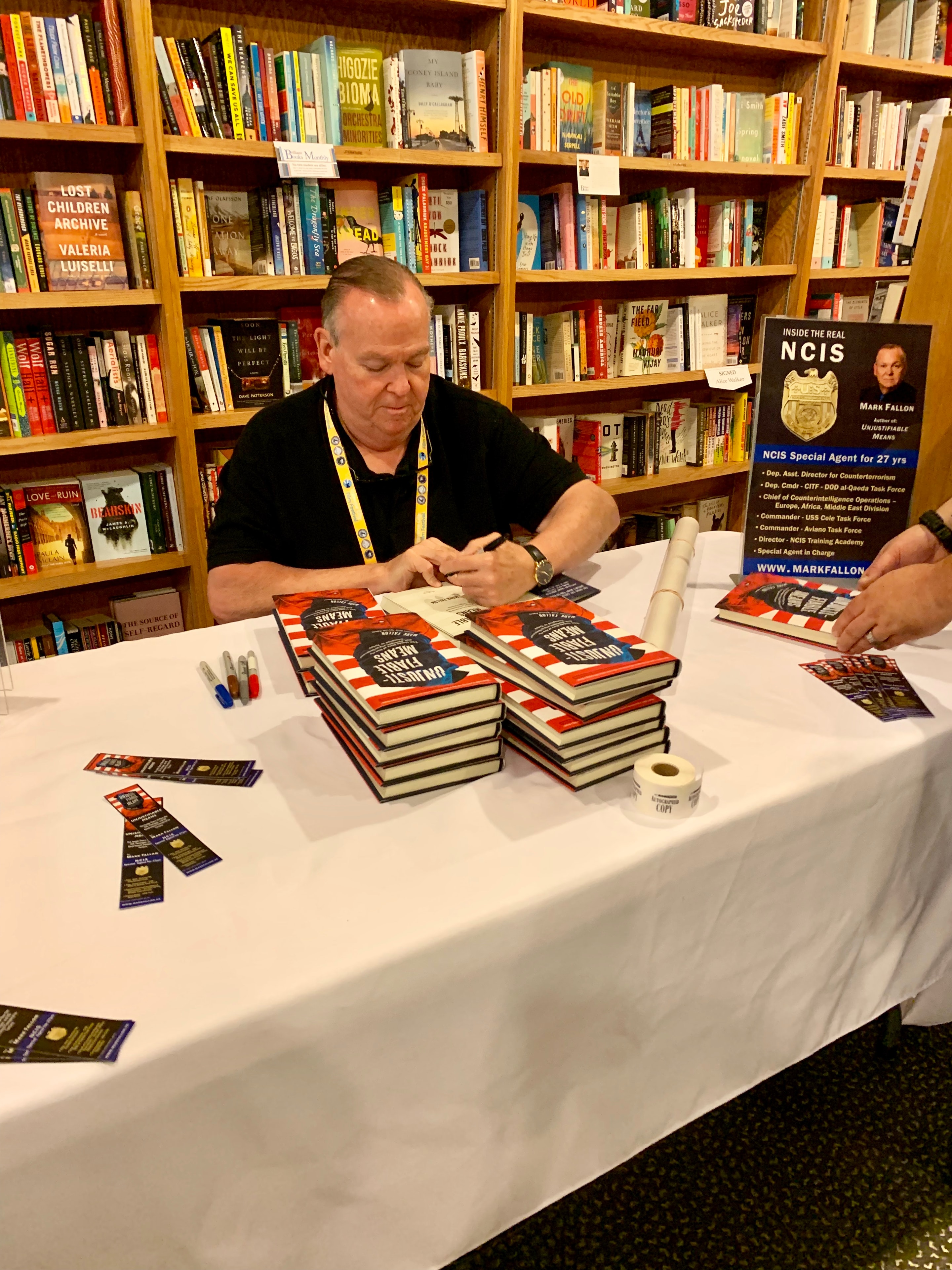
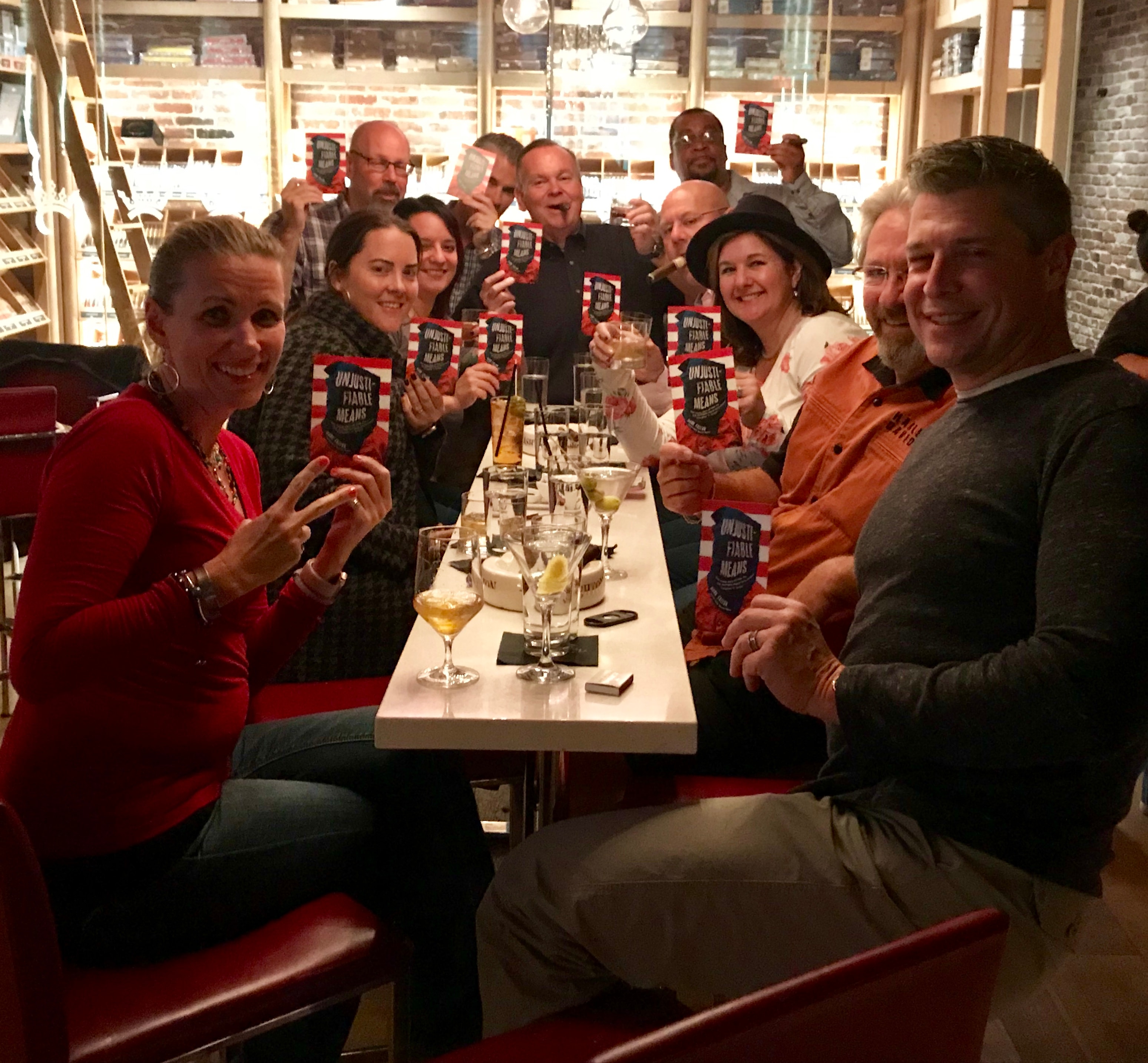
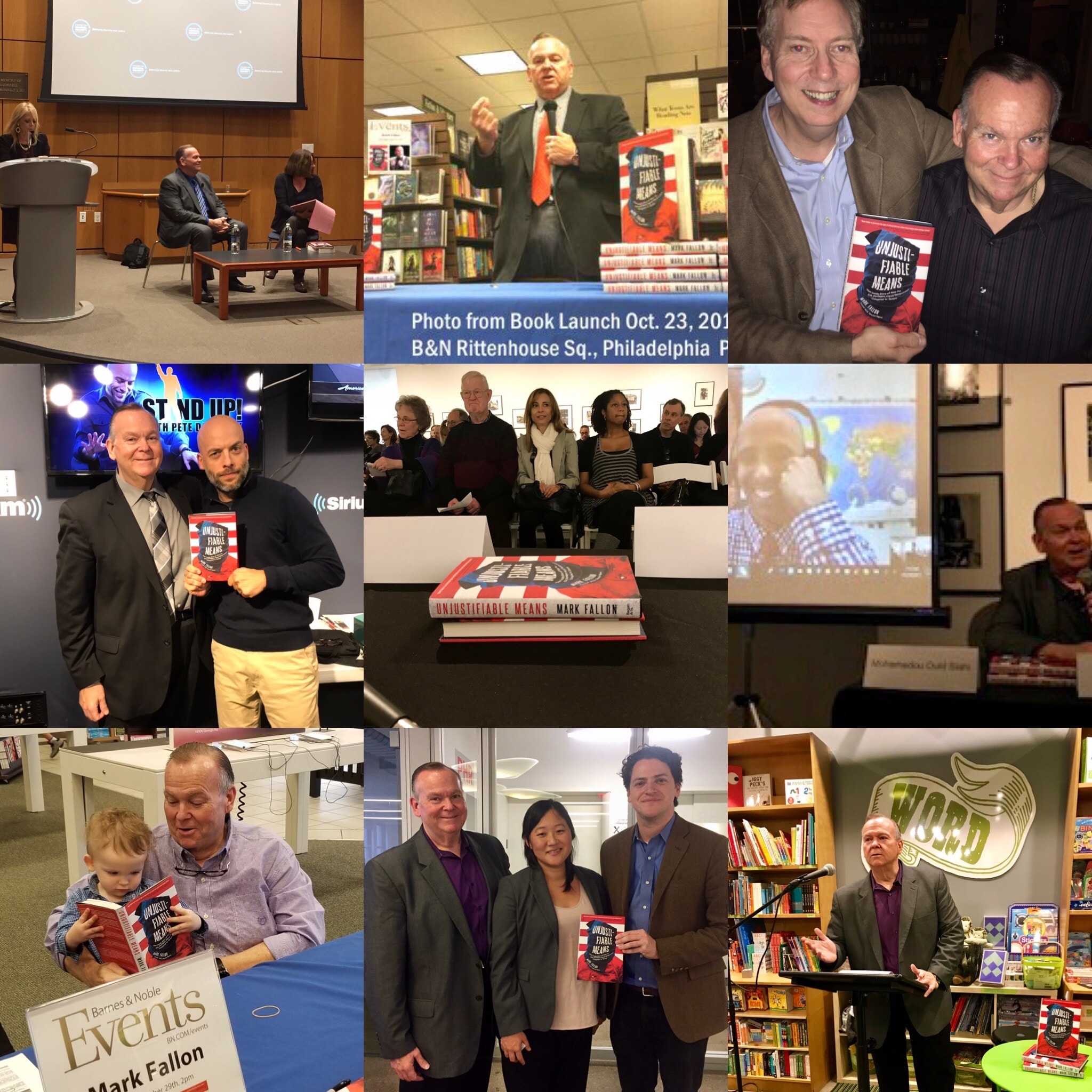
Behind the scenes at book signings, conferences, and bookstore events